30th Celebration Pikachu Complete Set: How Many Packs for All 30?
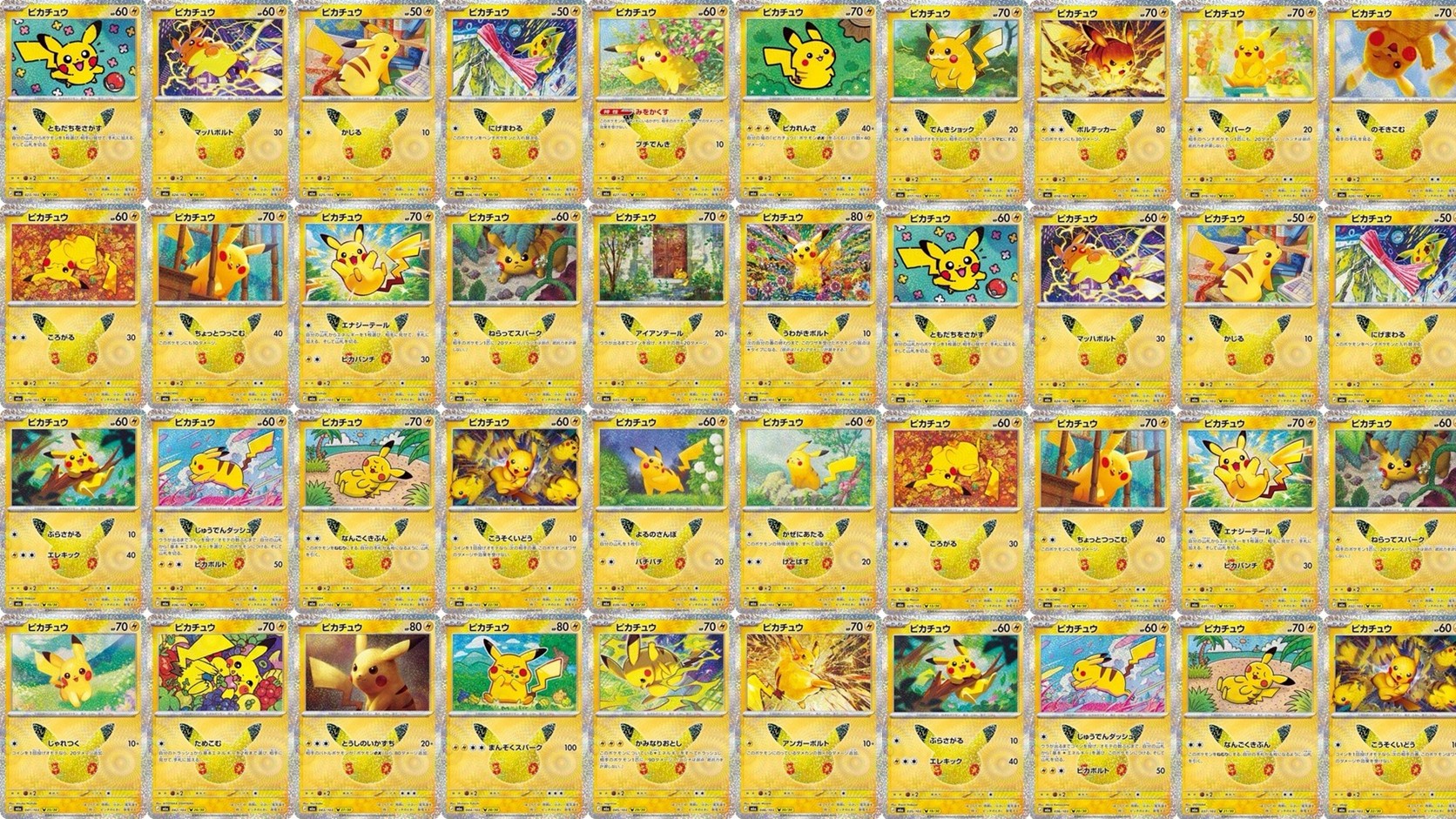
If you want all 30 Pikachu from Japanese 30th Celebration, a complete set is the cheaper and certain route. Every pack contains one of 30 Pikachu illustrations. Collector reports fit a simple picture: a 20-pack box gives you 20 different Pikachu, with no repeats. That leaves 10 missing — and because every new box again holds only 20 of the 30, the last 10 take about three more boxes on average. All told, the average collector needs about 4.2 boxes (≈84 packs), roughly ¥30,000 at the Japanese retail price, and about 1 in 3 is still incomplete after four boxes. A ready-made set of all 30 cost a fraction of that in our store at the time of writing. This guide shows where those numbers come from, what they assume, and what buyers in our store actually chose.
Box counts are a probability model, calculated September 24, 2026, assuming each 20-pack box holds 20 different Pikachu (no repeats inside a box), which 20 is random, and each box is independent. The model fits what collectors have reported, but it is not an official statement: The Pokémon Company does not publish how the Pikachu are distributed, and the 20-pack box size is widely reported rather than confirmed on the official page. Cost uses the Japanese retail price of ¥360 a pack (official price as cited in our 30th Celebration guide, reviewed September 24, 2026).
The short answer: to own all 30, a complete set is the cheaper and certain route. One box gets you two-thirds of the way, but the second box is also 20 of the 30, so most of it repeats what you already have — and one or two boxes will very rarely finish the set. The numbers below are why.
What exactly are the 30 Pikachu in 30th Celebration?
They are 30 different Pikachu illustrations, numbered 017 to 046 in the Japanese set, and every Japanese 30th Celebration pack contains exactly one of them. The Japanese expansion launched on September 16, 2026, at ¥360 a pack. Each pack holds six foil cards, including one of the 30 Pikachu and one Basic Energy [1] (official page as cited in our 30th Celebration guide, reviewed September 24, 2026).
- The 30: Japanese numbers 017–046, thirty consecutive entries, each named simply Pikachu.
- Not part of the 30: 047 and 048 are Pikachu ex — different cards from the illustration set, even though they sit right next to it in the numbering.
- English numbering: we have not been able to confirm whether the English release uses the same numbers. If you collect in English, check the English checklist rather than assuming 017–046.
- Boxes: a Japanese box is widely reported as 20 packs at a suggested ¥7,200 (reports retrieved September 24, 2026) — consistent with 20 × ¥360 — but we have not been able to check that against the official page directly. The box figures below assume 20 packs a box.
All 30 Pikachu: numbers, cards and illustrators
Each of the 30 is drawn by a different illustrator, and each card carries two numbers: its set number (017/103 to 046/103) and its place in the 30 (01/30 to 30/30). The two run in step, so 017/103 is 01/30 and 046/103 is 30/30. Use the list to check which ones you already have. Tap a card to see the official image at full size. Our 30th Celebration card list and product guide places them within the full 159-entry Japanese gallery.
| # in the 30 | Card number | Card | Illustrator |
|---|---|---|---|
| 01/30 | 017/103 | 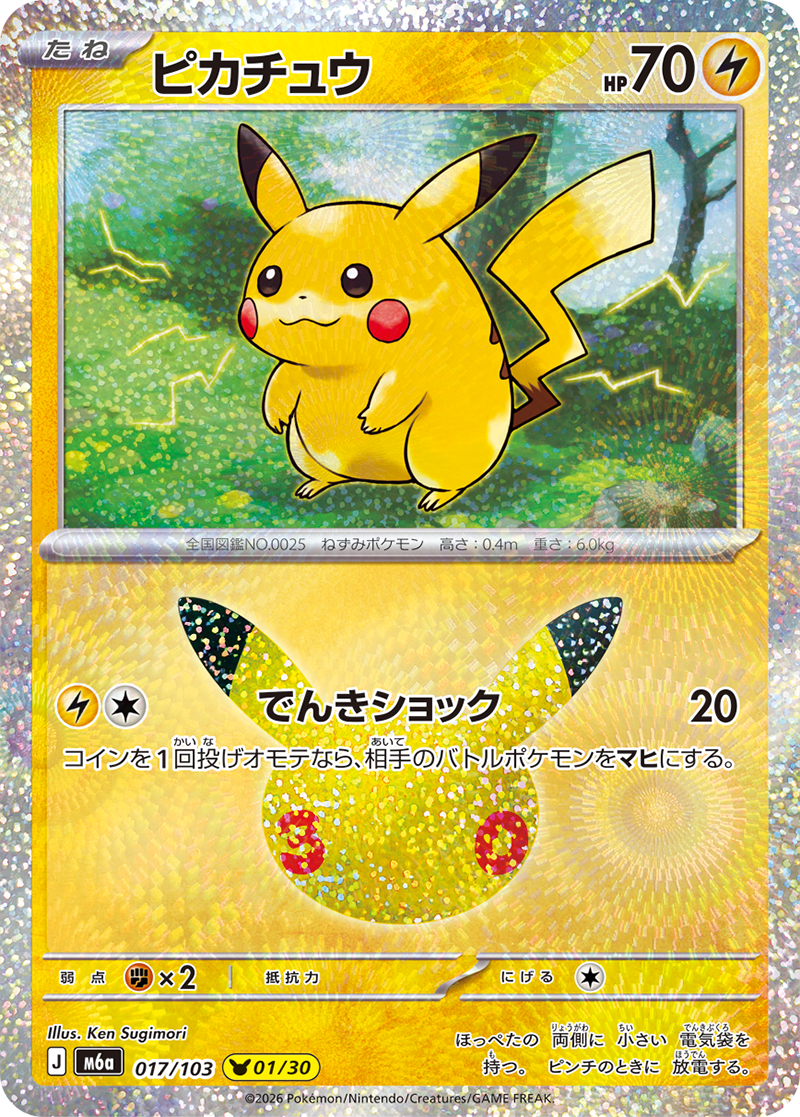 | Ken Sugimori |
| 02/30 | 018/103 | 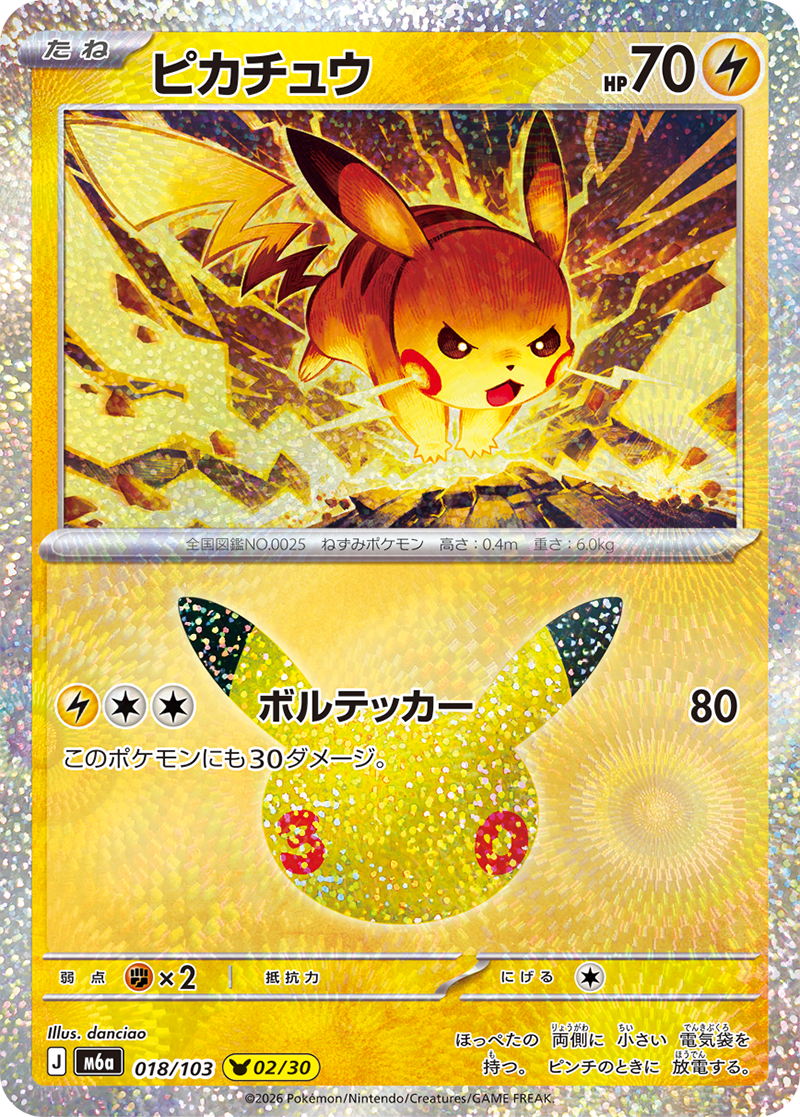 | danciao |
| 03/30 | 019/103 | 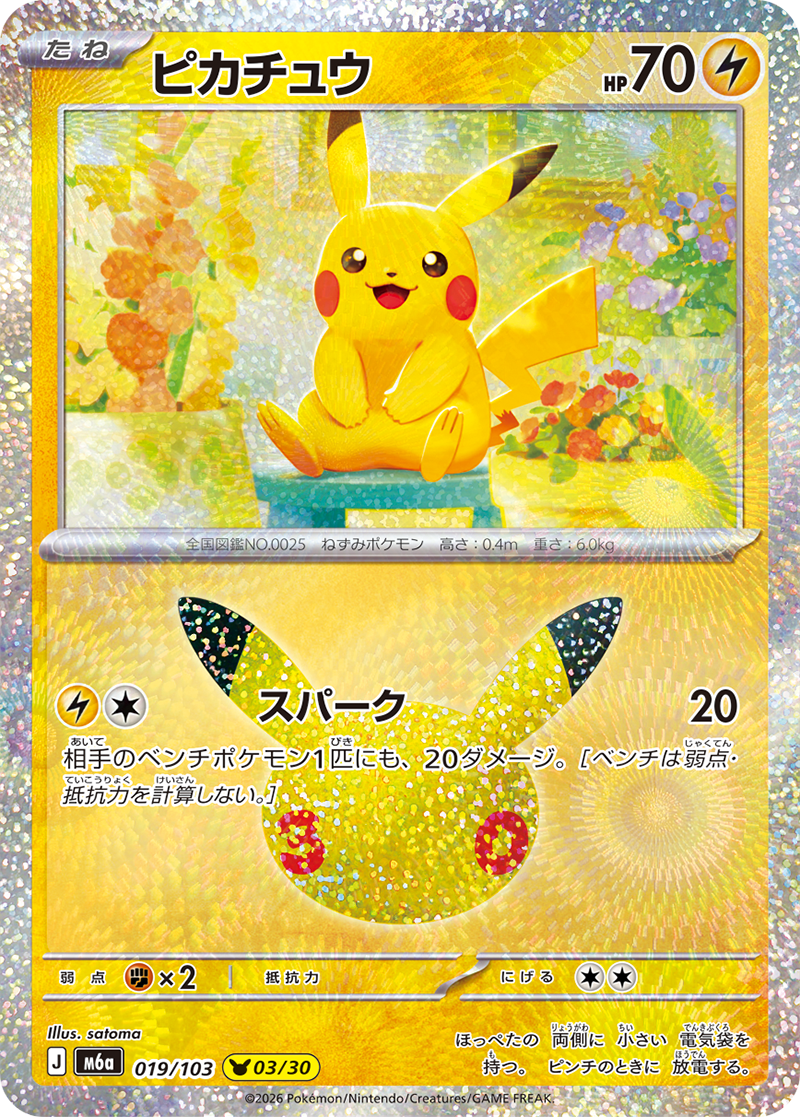 | satoma |
| 04/30 | 020/103 | 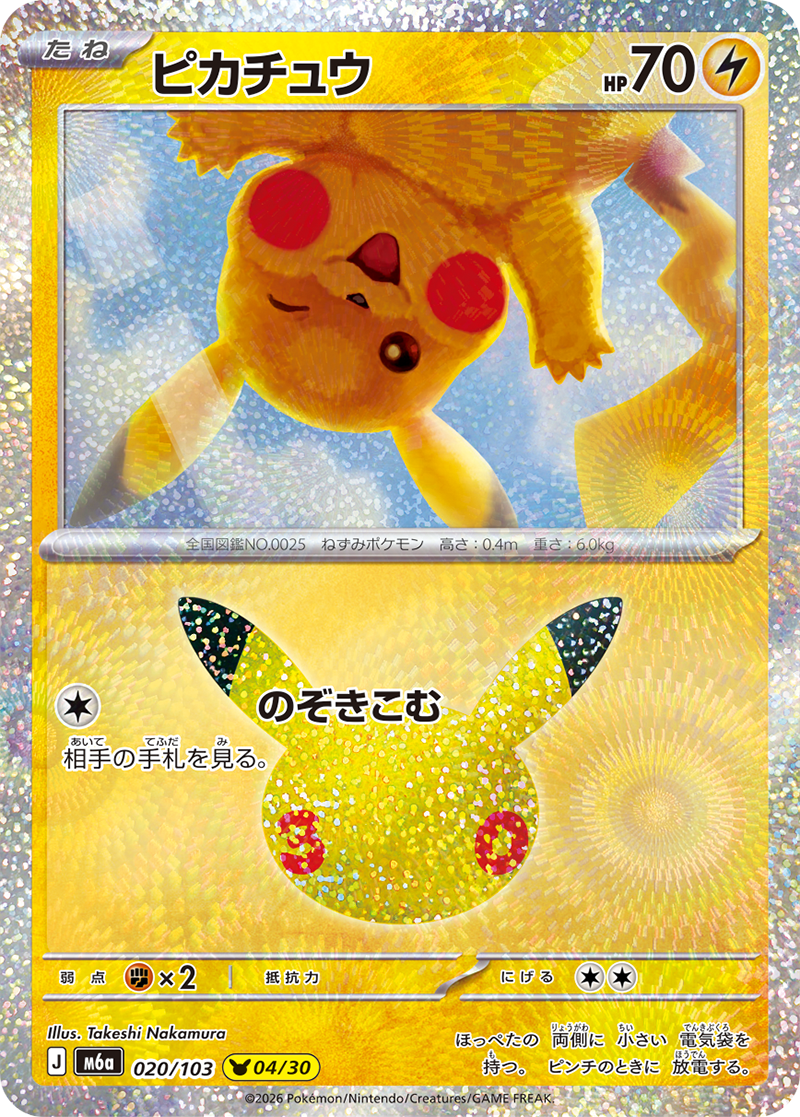 | Takeshi Nakamura |
| 05/30 | 021/103 | 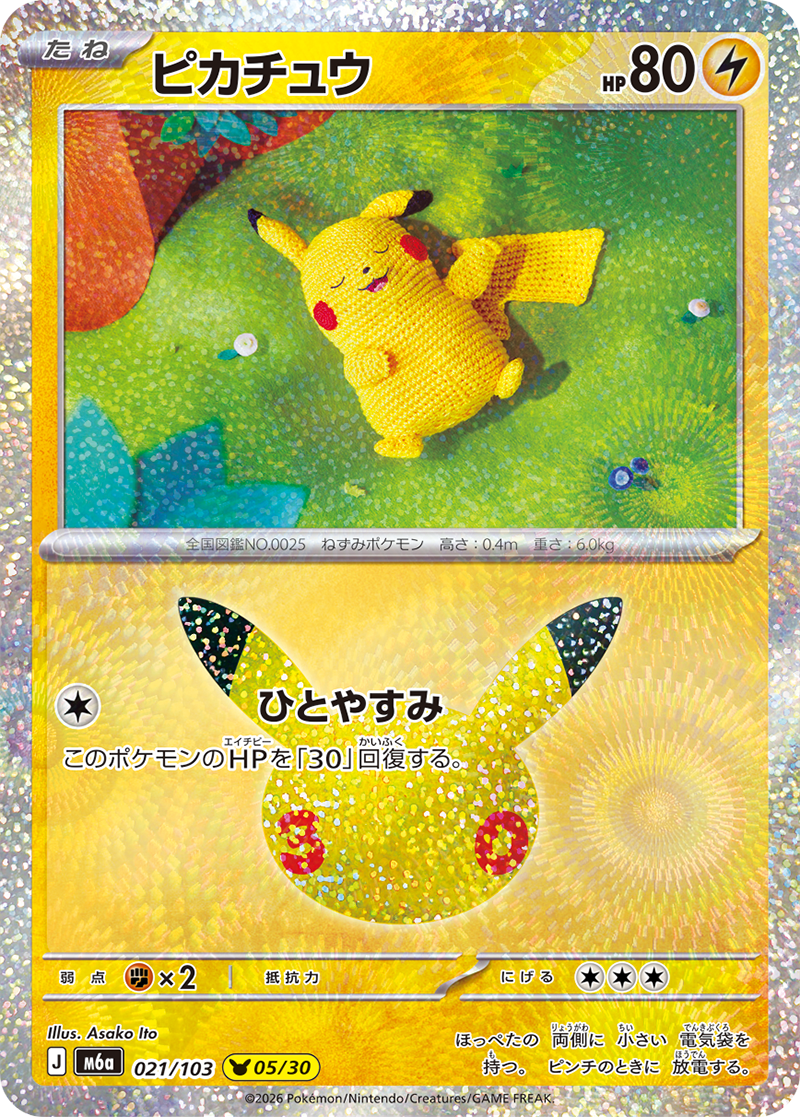 | Asako Ito |
| 06/30 | 022/103 | 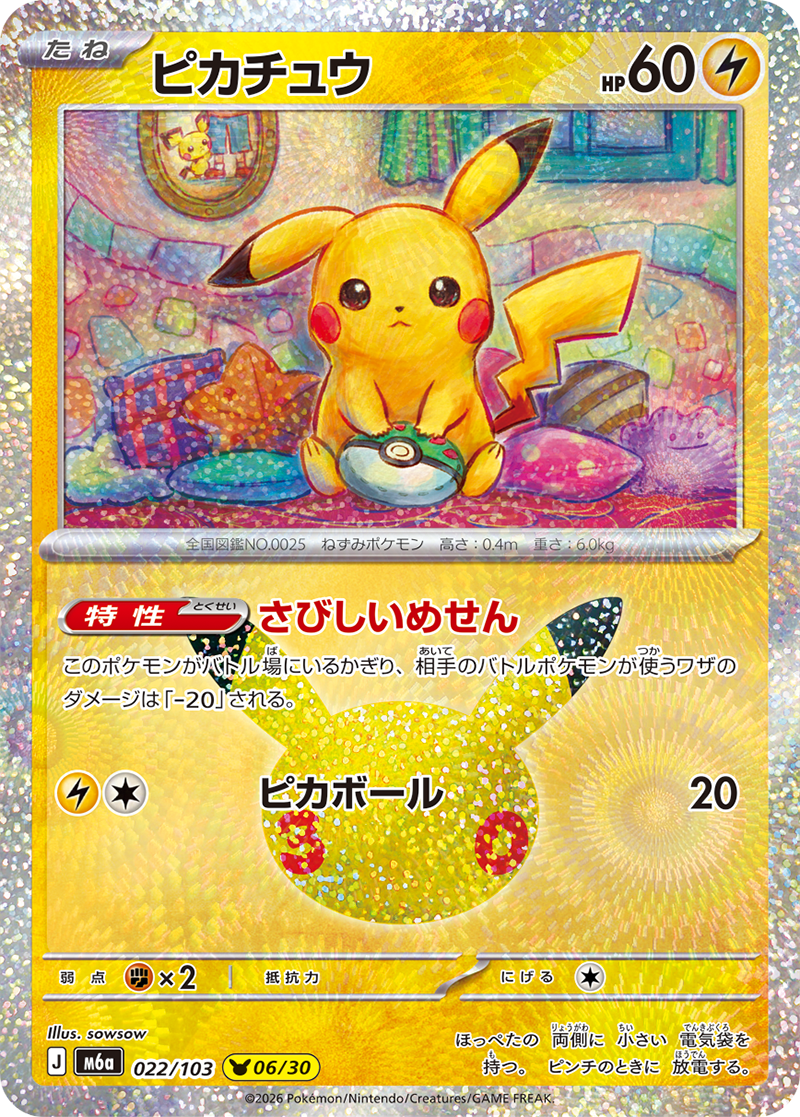 | sowsow |
| 07/30 | 023/103 | 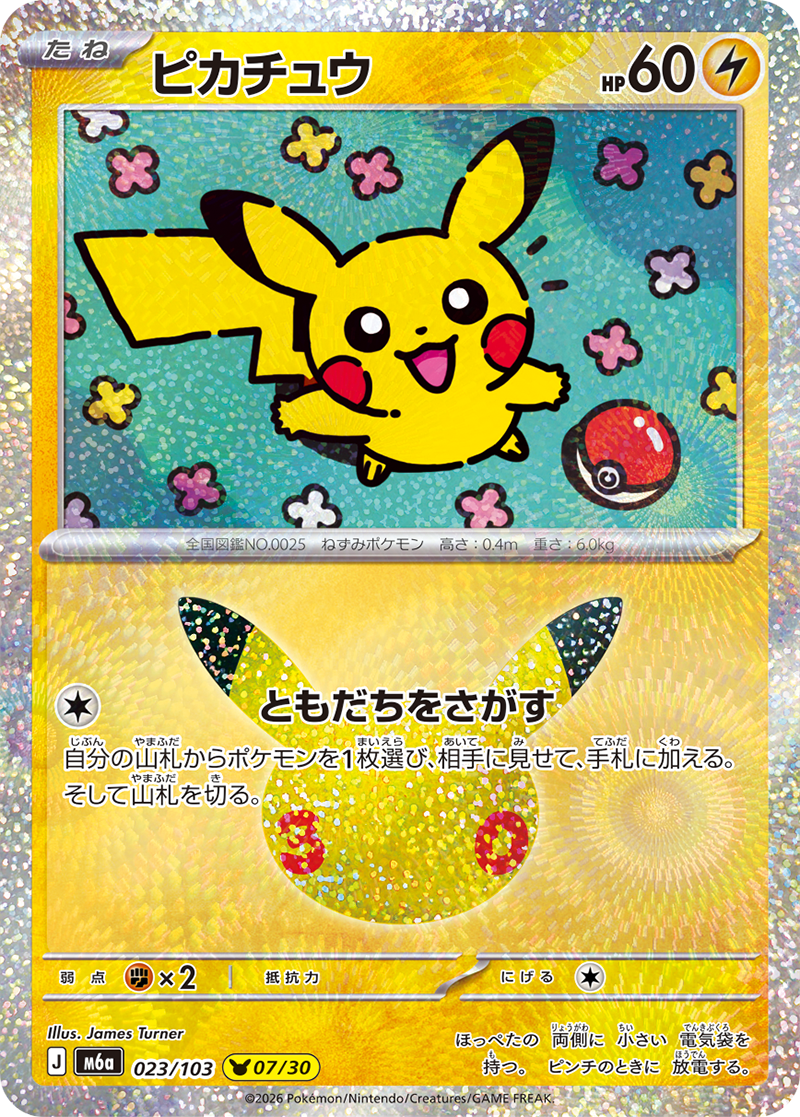 | James Turner |
| 08/30 | 024/103 | 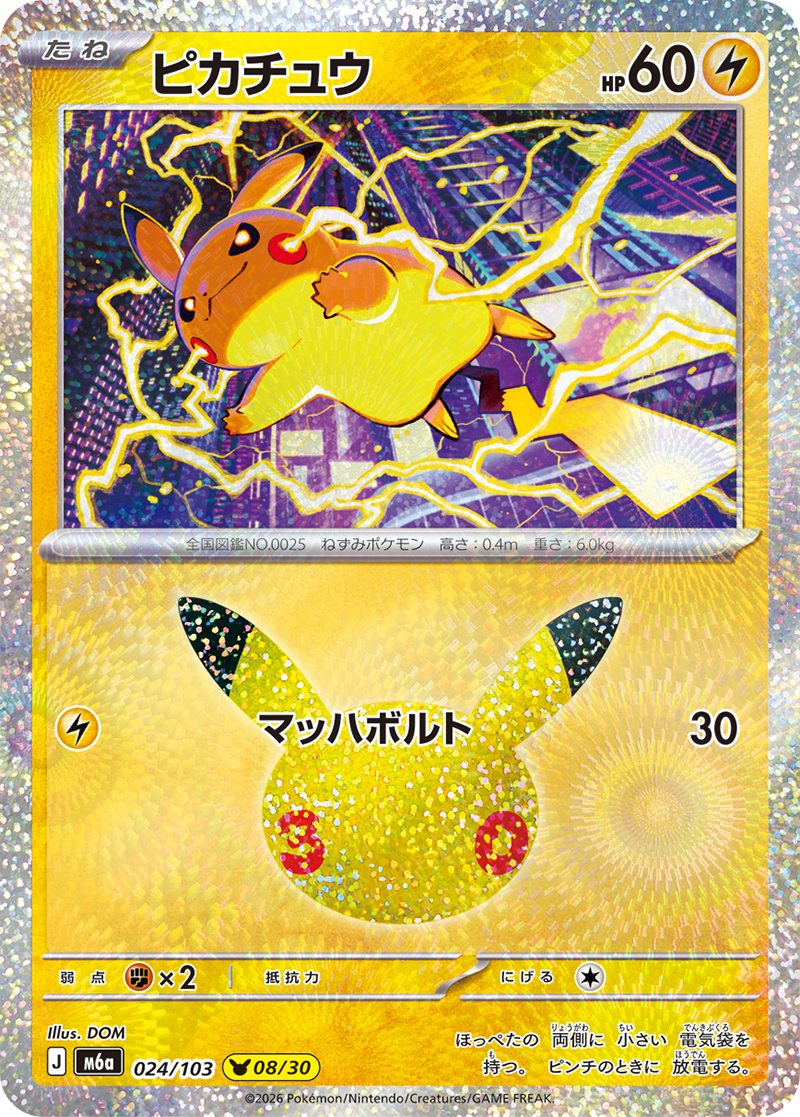 | DOM |
| 09/30 | 025/103 | 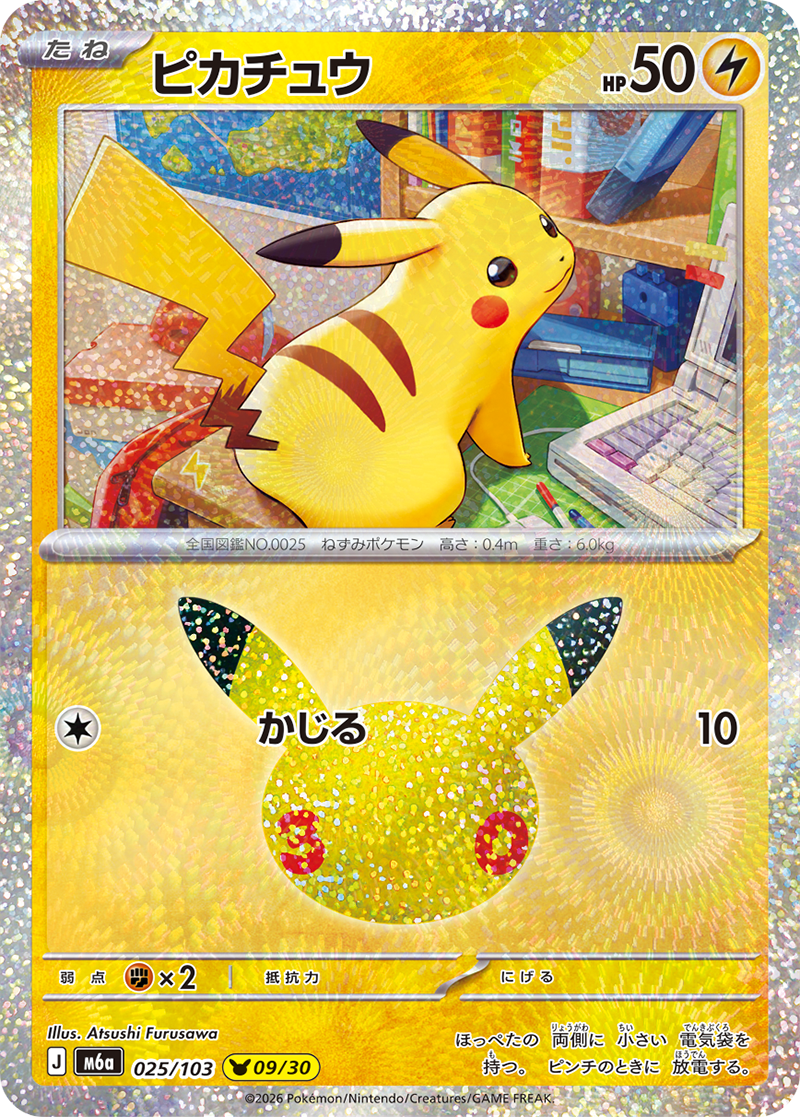 | Atsushi Furusawa |
| 10/30 | 026/103 | 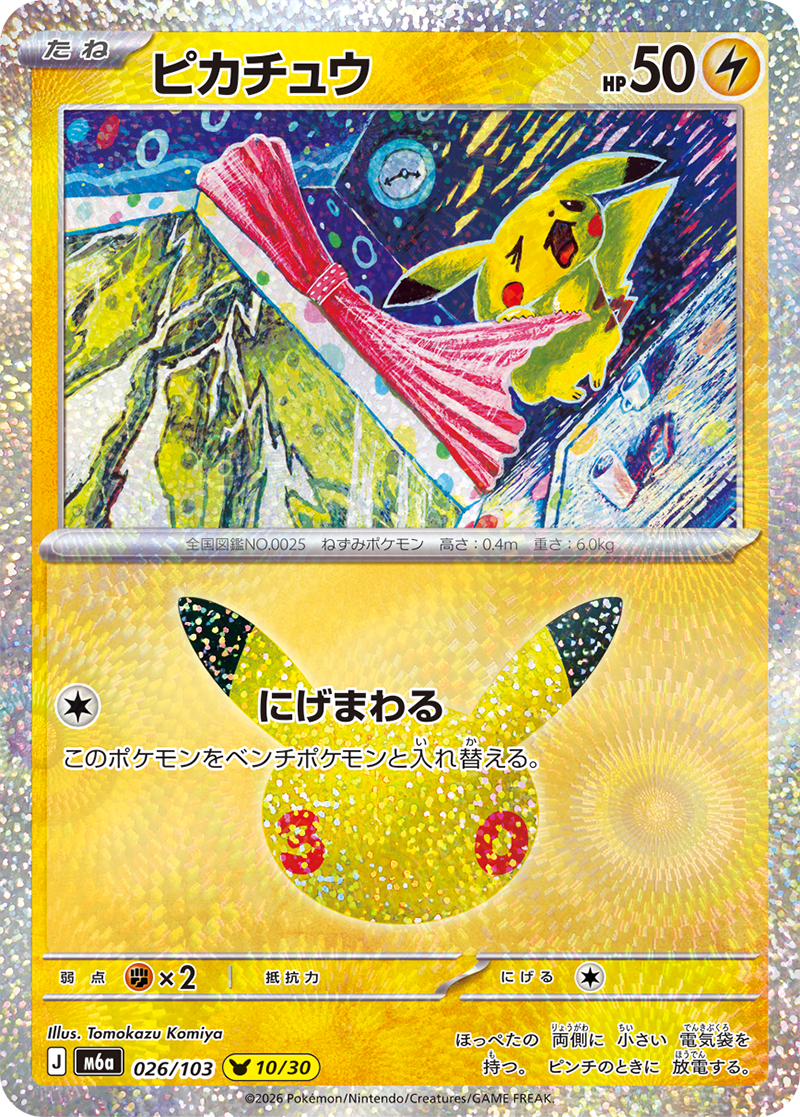 | Tomokazu Komiya |
| 11/30 | 027/103 | 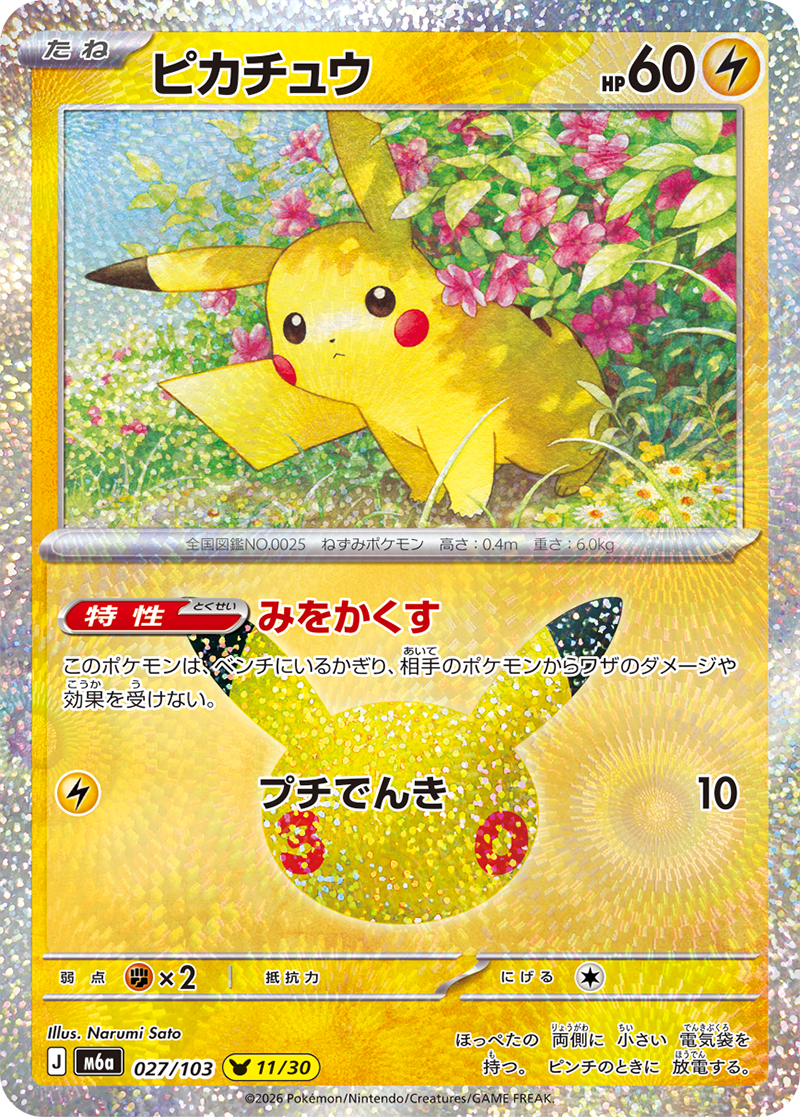 | Narumi Sato |
| 12/30 | 028/103 | 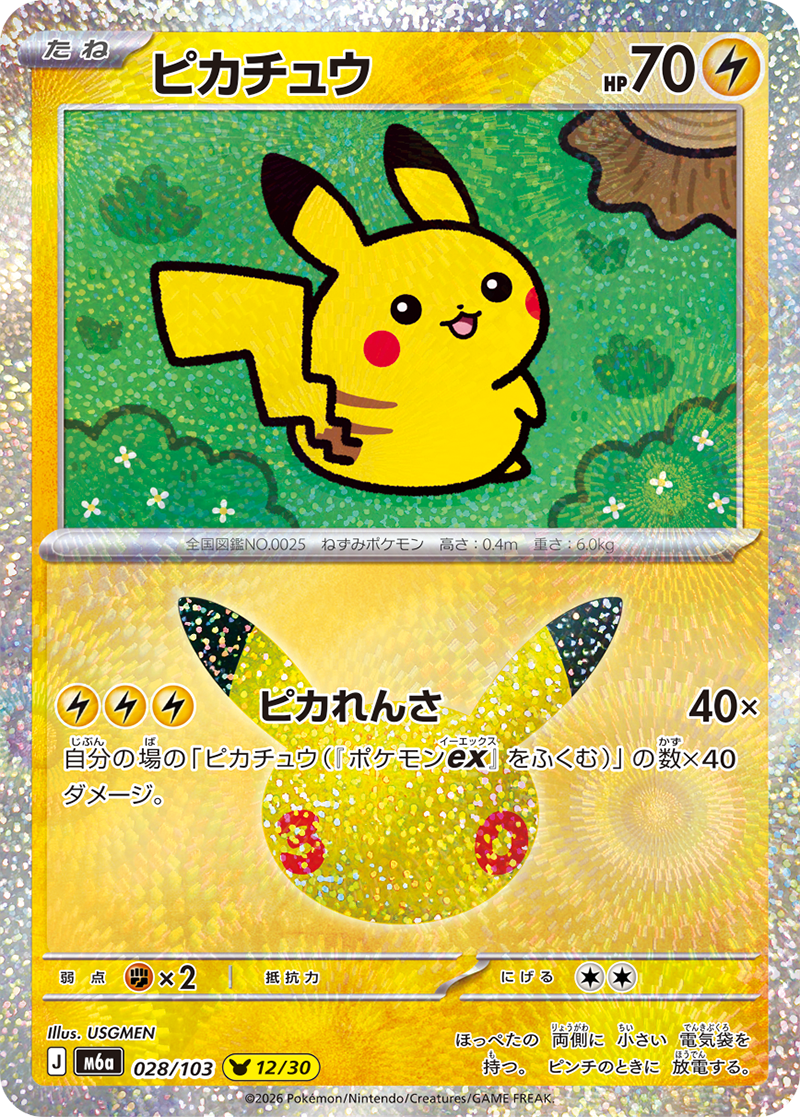 | USGMEN |
| 13/30 | 029/103 | 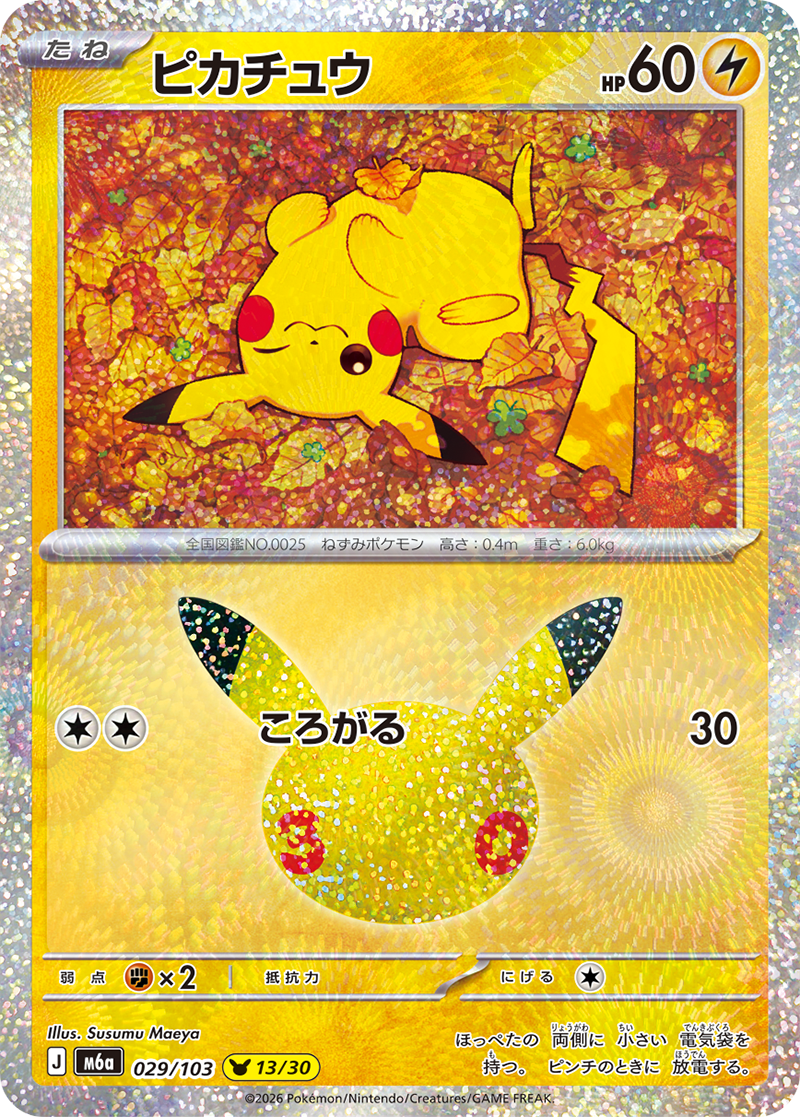 | Susumu Maeya |
| 14/30 | 030/103 |  | OKACHEKE |
| 15/30 | 031/103 |  | Yuu Nishida |
| 16/30 | 032/103 | 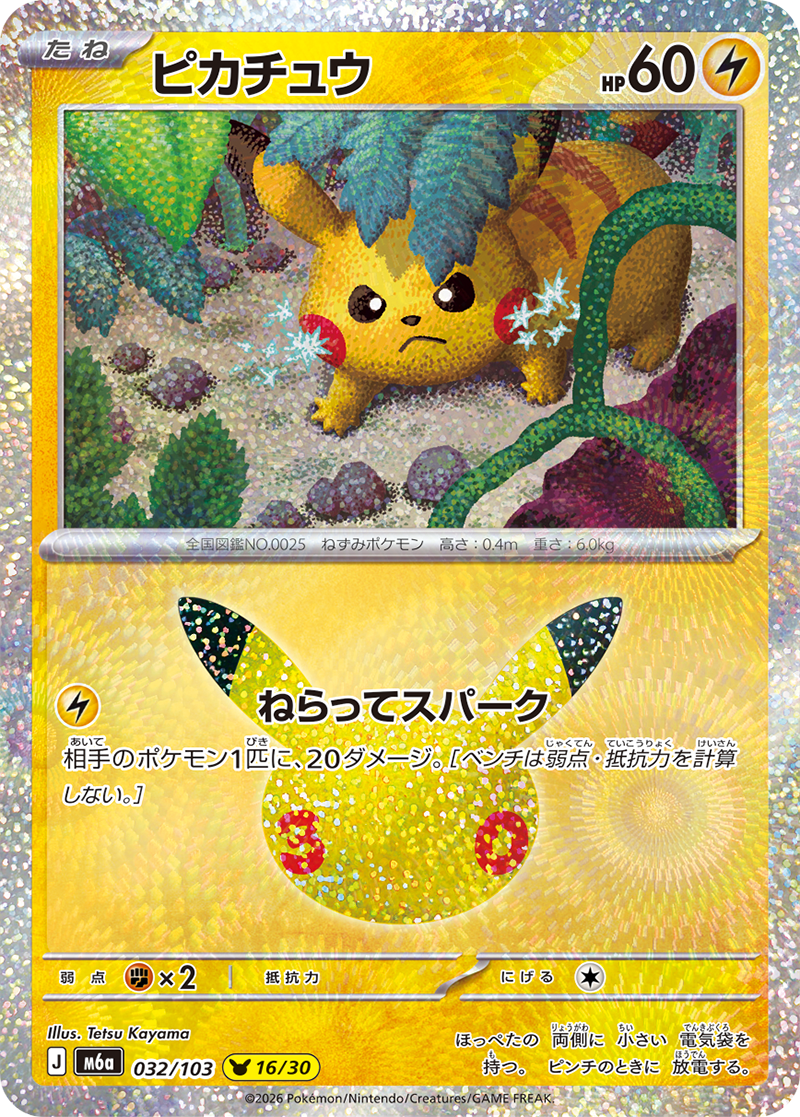 | Tetsu Kayama |
| 17/30 | 033/103 | 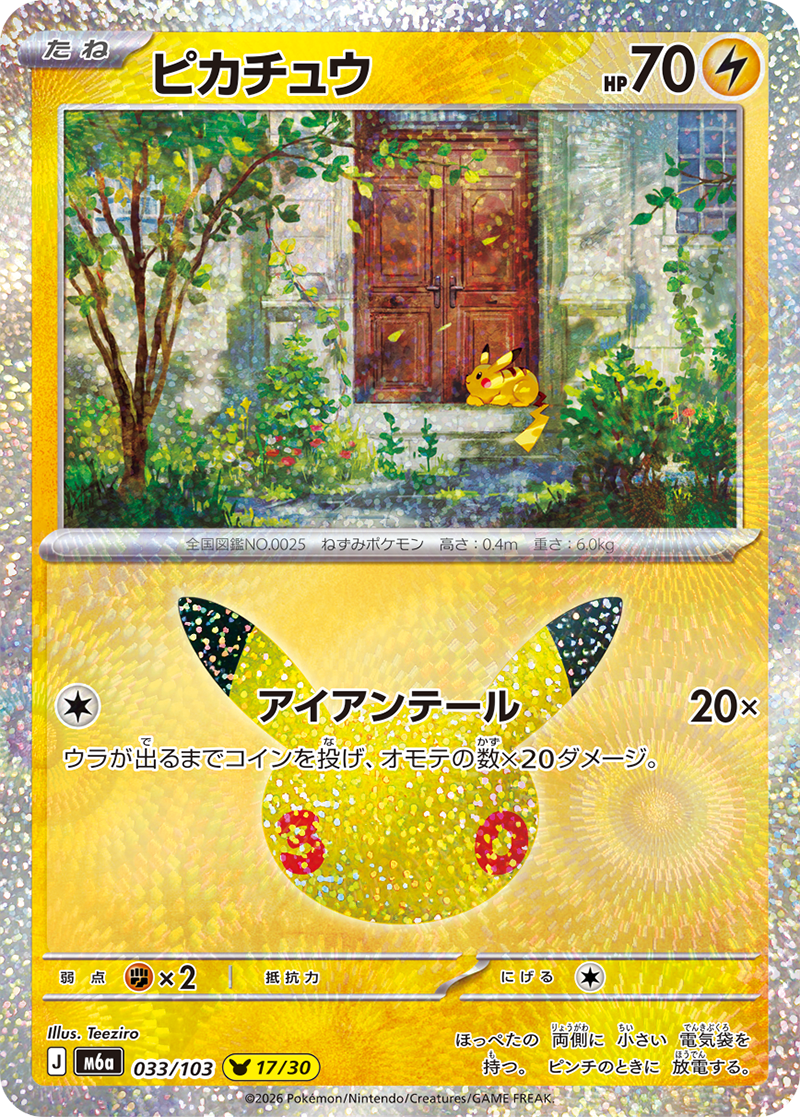 | Teeziro |
| 18/30 | 034/103 | 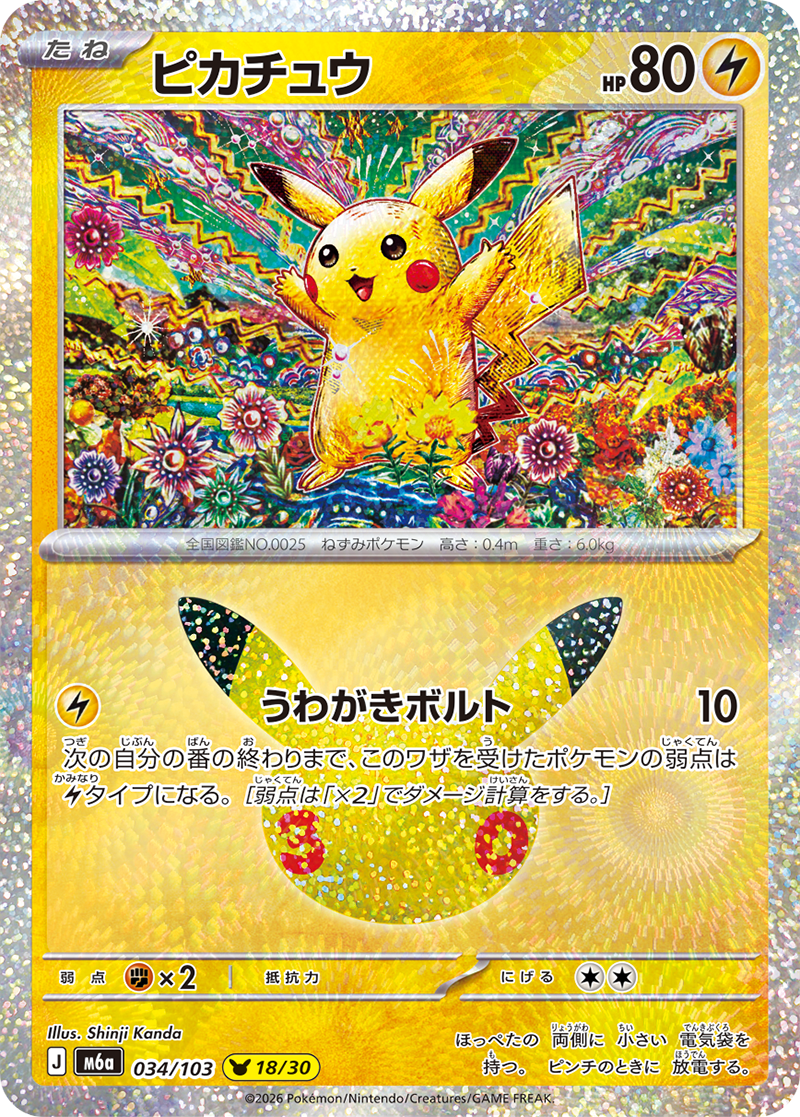 | Shinji Kanda |
| 19/30 | 035/103 | 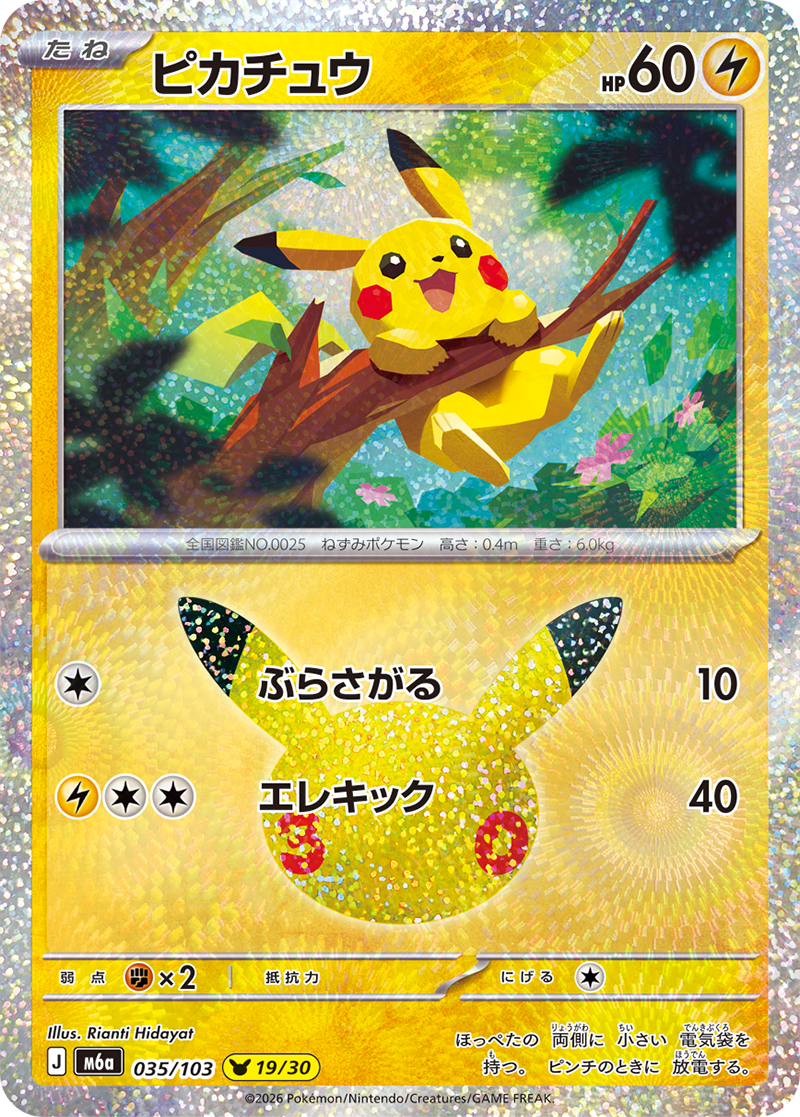 | Rianti Hidayat |
| 20/30 | 036/103 | 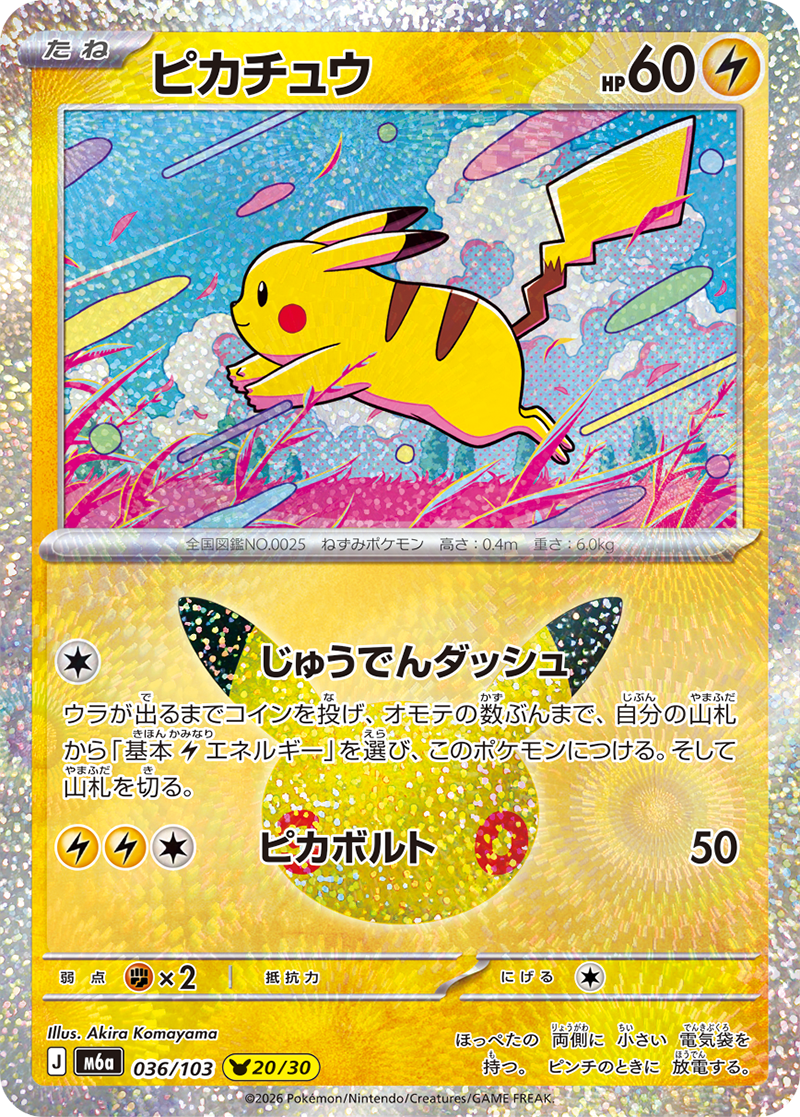 | Akira Komayama |
| 21/30 | 037/103 | 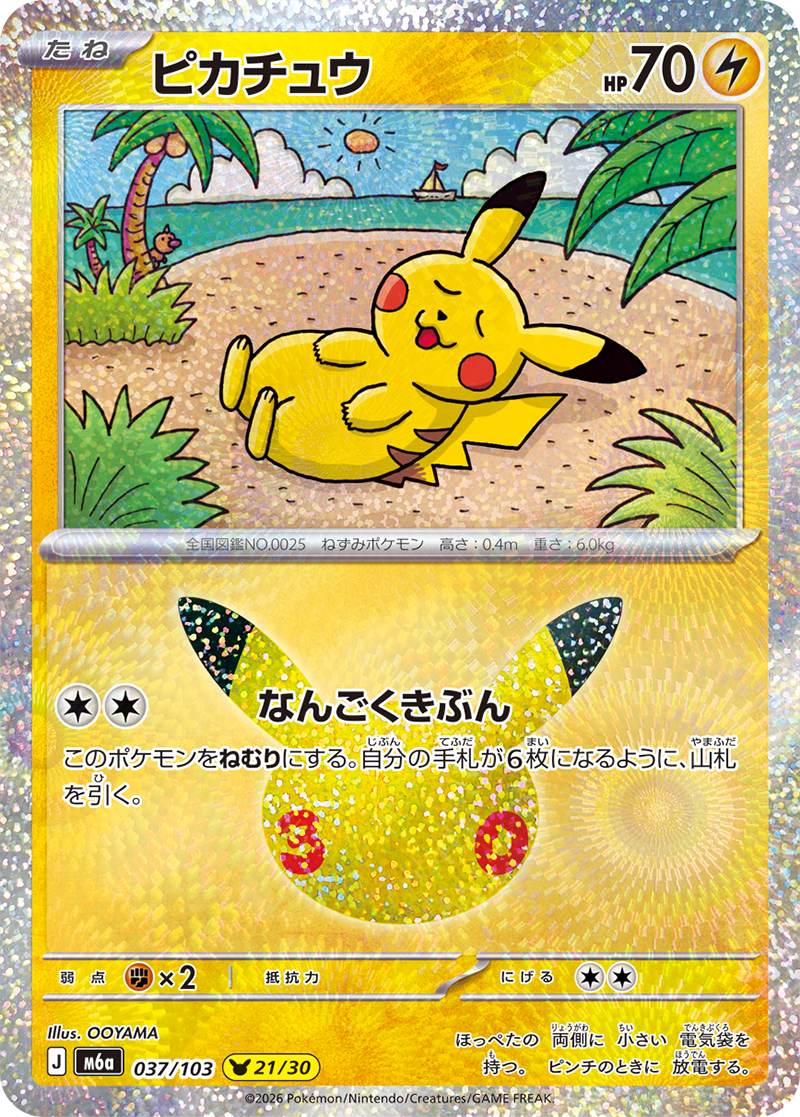 | OOYAMA |
| 22/30 | 038/103 | 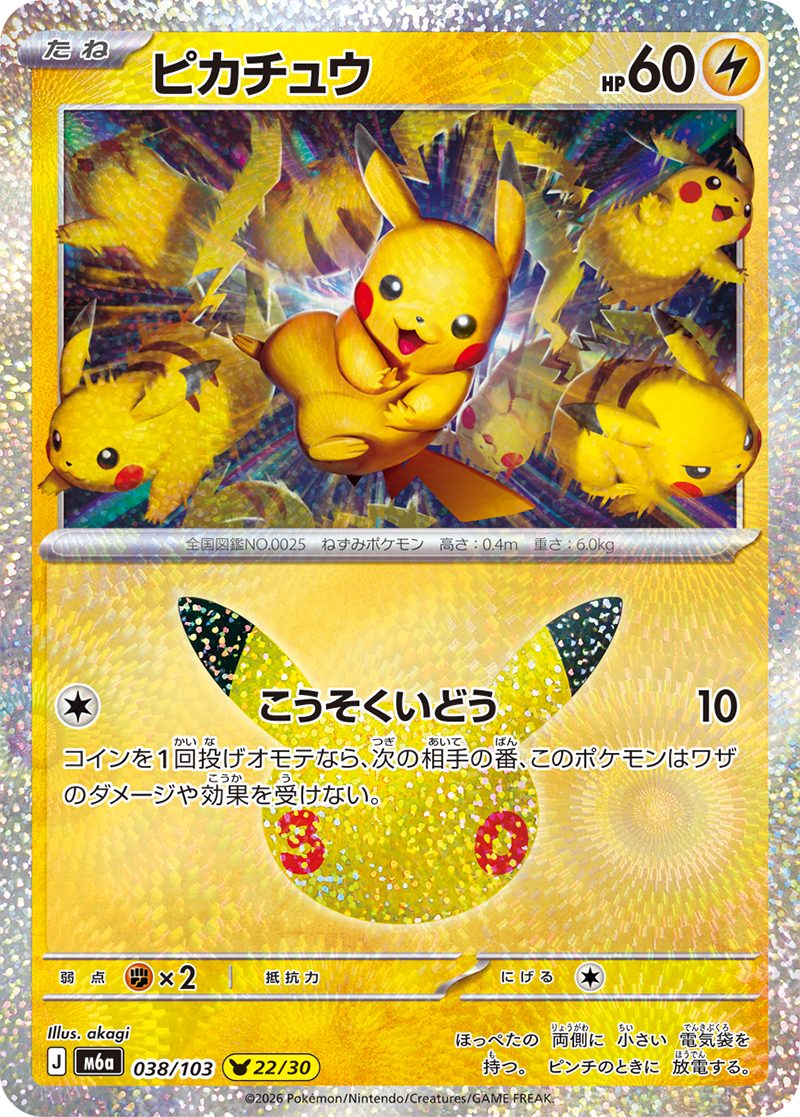 | akagi |
| 23/30 | 039/103 | 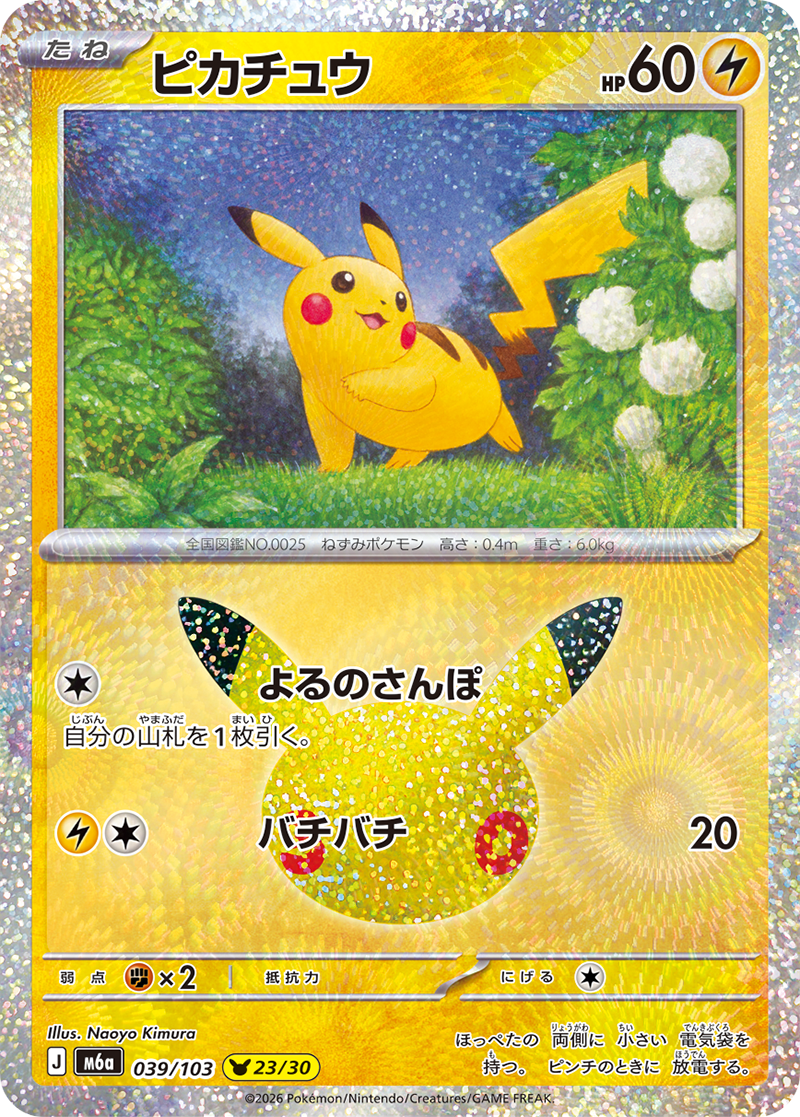 | Naoyo Kimura |
| 24/30 | 040/103 | 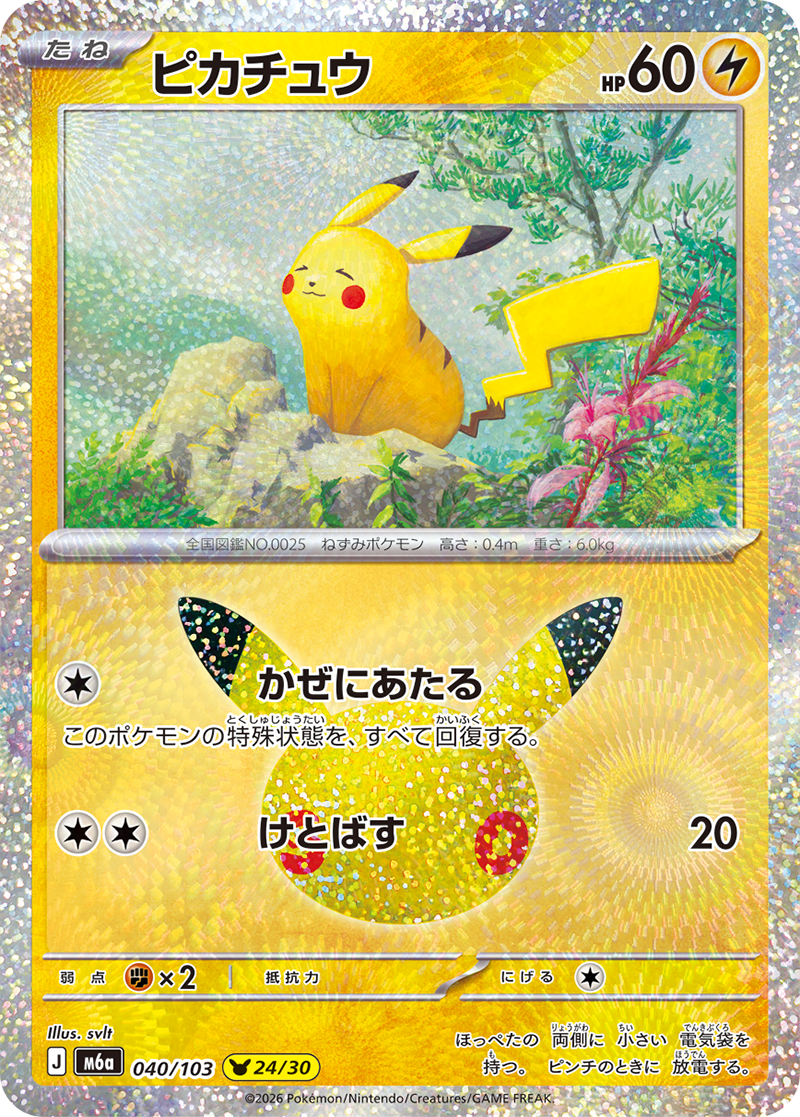 | svlt |
| 25/30 | 041/103 |  | Atsuko Nishida |
| 26/30 | 042/103 | 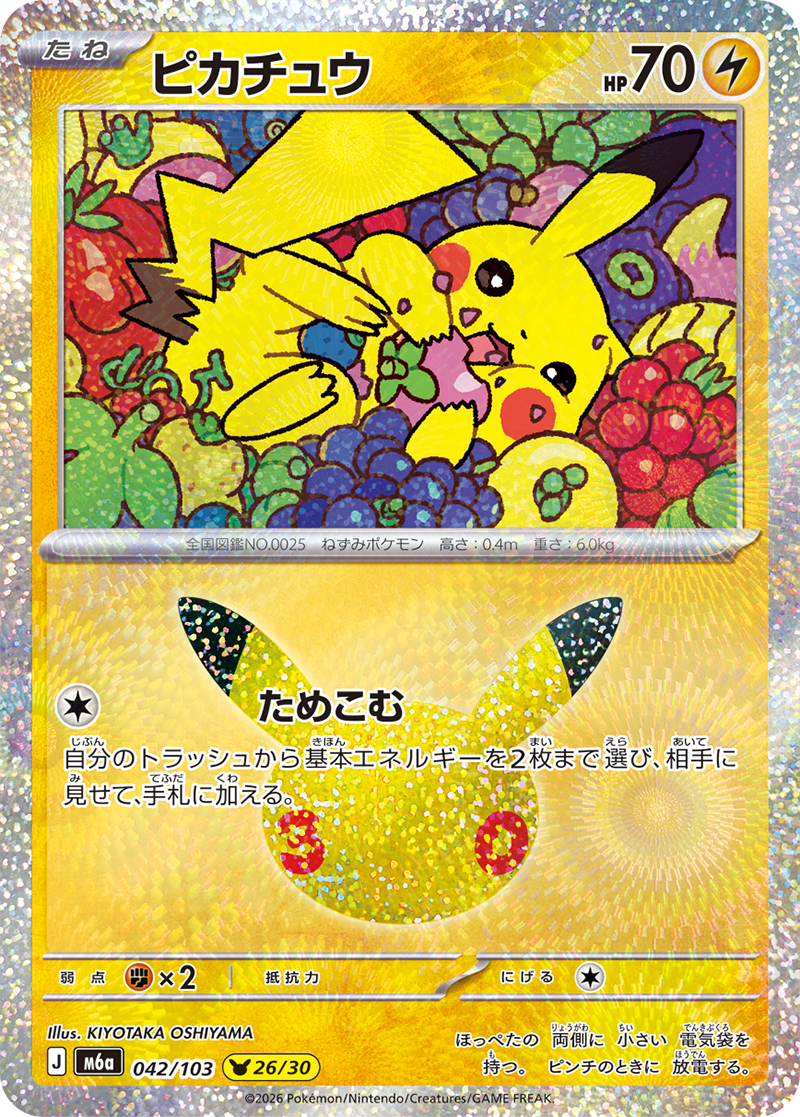 | Kiyotaka Oshiyama |
| 27/30 | 043/103 | 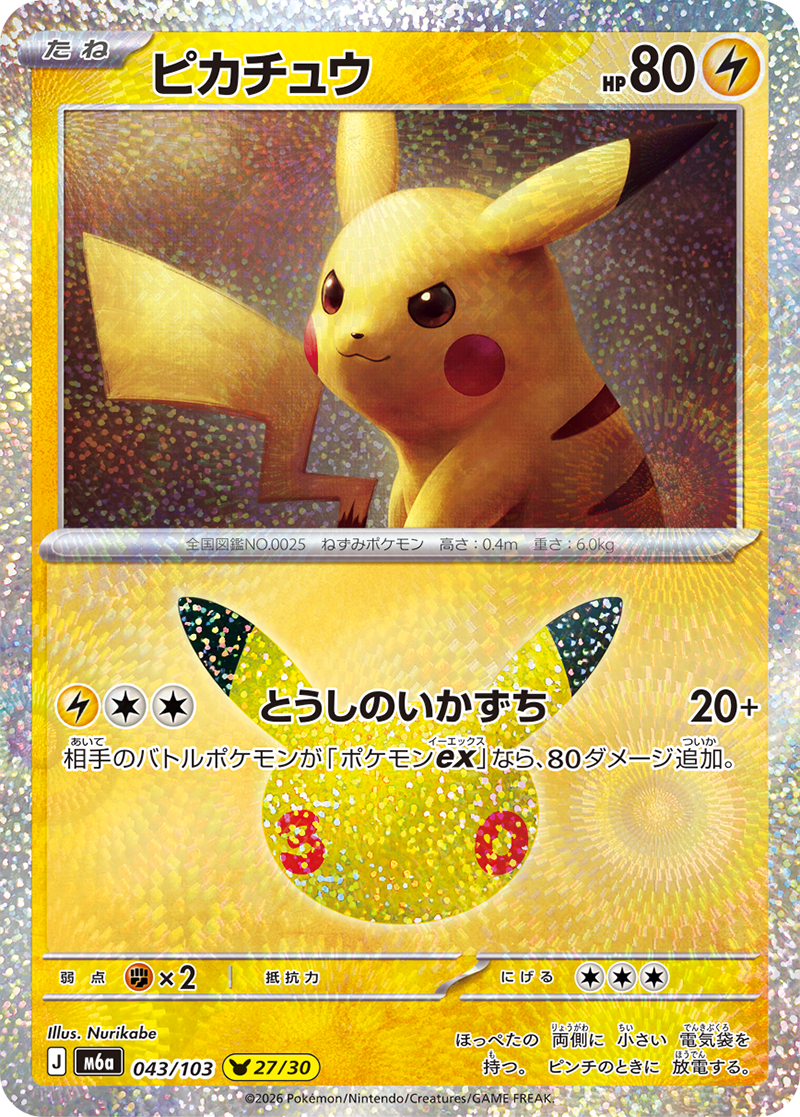 | Nurikabe |
| 28/30 | 044/103 | 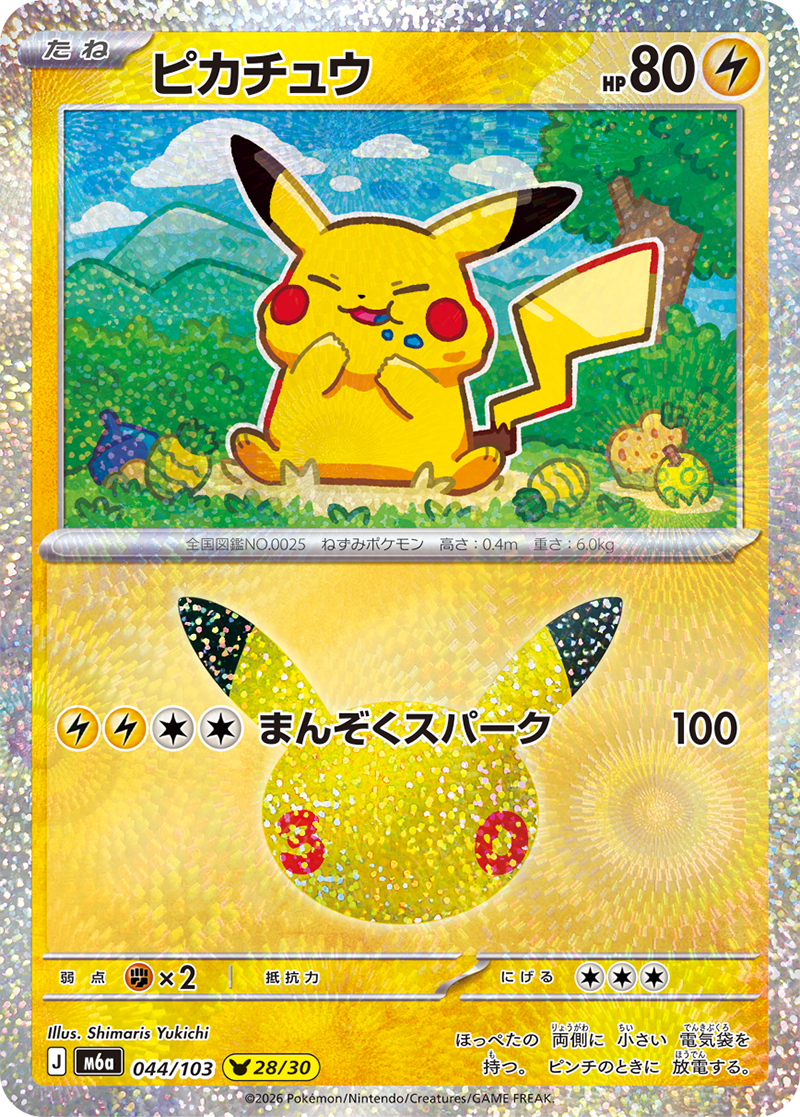 | Shimaris Yukichi |
| 29/30 | 045/103 | 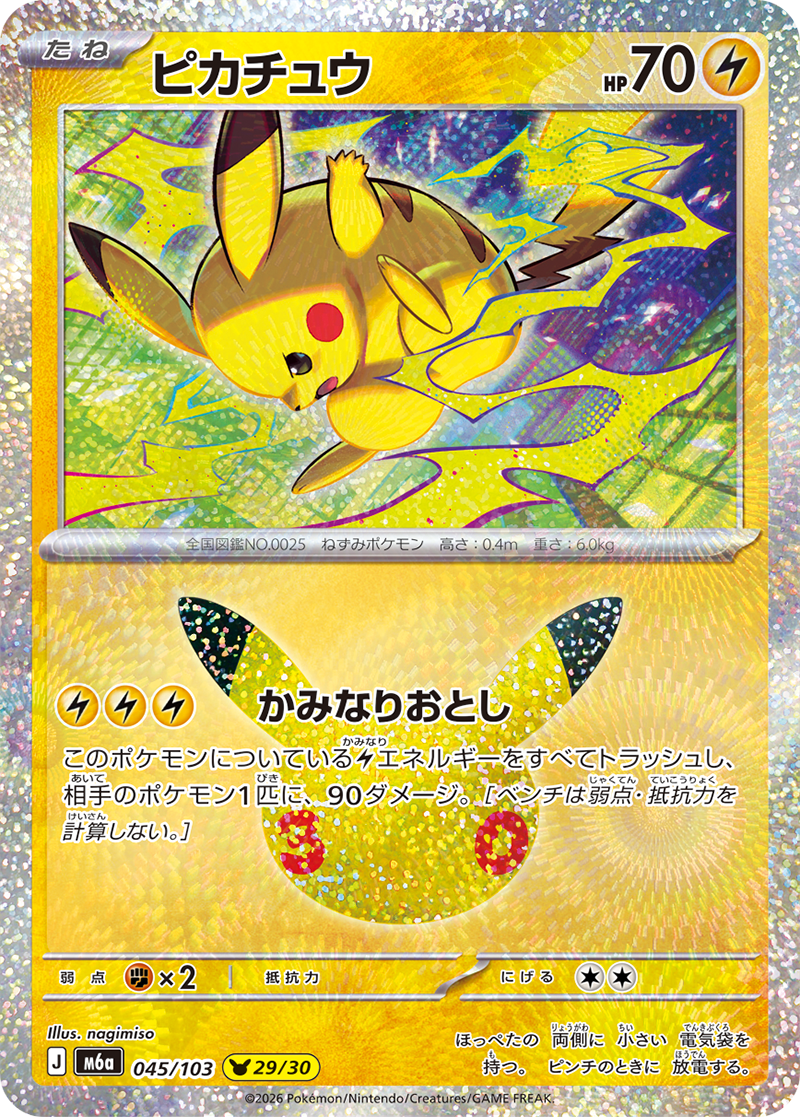 | nagimiso |
| 30/30 | 046/103 | 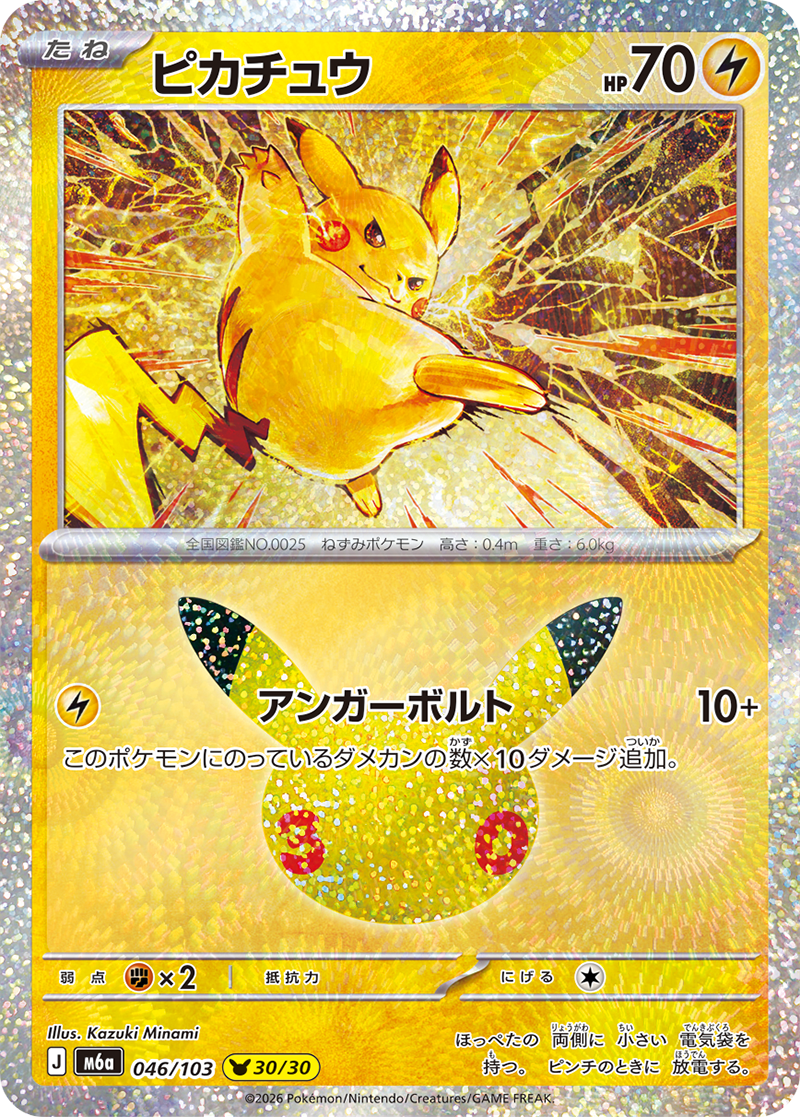 | Kazuki Minami |
Card images: official Japanese 30th Celebration gallery, as linked in our 30th Celebration guide. Illustrator credits compiled from public card databases and cross-checked against at least two sources per card, retrieved September 24, 2026. The illustrator’s name is also printed on each card. Spellings follow the English credit lines, and some artists use lowercase names (for example danciao, satoma, akagi, svlt and nagimiso).
The key detail is the word one. One Pikachu per pack means you are guaranteed a Pikachu, not a new Pikachu. Collector reports suggest a single box rarely repeats one, but every box after the first overlaps heavily with what you already have. Everything else in this guide follows from that.
How many packs does it take to collect all 30 Pikachu?
About 4.2 boxes on average — roughly 84 packs — if each box holds 20 different Pikachu. Half of collectors would finish within 4 boxes and 90% within 6, but about 1 in 3 would still be missing at least one after 4 boxes.
That rests on a model, and you should hold it in mind for every number that follows: each 20-pack box contains 20 of the 30 Pikachu, one of each, with no repeats inside the box; which 20 is random, and each box is independent of the others. This is our assumption, not The Pokémon Company’s specification — they do not publish how the Pikachu are distributed across packs or boxes. We use it because it fits what collectors have reported: 20 different Pikachu from one box, completions after two to five boxes, and 29 of 30 after three (details below). A fully random model, where every pack is an independent draw, does not fit those reports nearly as well. The figures below are exact calculations for the box model, not a simulation.
| Boxes opened | Packs | Chance you have all 30 | Pikachu still missing (average) | Cost at ¥7,200 a box |
|---|---|---|---|---|
| 1 | 20 | 0% | 10 | ¥7,200 |
| 2 | 40 | 0.61% | 3.33 | ¥14,400 |
| 3 | 60 | 27.72% | 1.11 | ¥21,600 |
| 4 (median) | 80 | 67.64% | 0.37 | ¥28,800 |
| 5 | 100 | 88.16% | 0.12 | ¥36,000 |
| 6 (90th percentile) | 120 | 95.94% | 0.04 | ¥43,200 |
| 7 | 140 | 98.63% | 0.01 | ¥50,400 |
| 8 | 160 | 99.54% | under 0.01 | ¥57,600 |
Calculated September 24, 2026. Exact probabilities under the box model (each 20-pack box = 20 different Pikachu chosen at random from the 30; boxes independent). Costs use the Japanese suggested retail price of ¥360 per pack × 20 = ¥7,200 per box and exclude any overseas markup, shipping or import costs. The 20-pack box size is widely reported, not confirmed on the official page.
The average of 4.22 boxes works out to about 84 packs, or about ¥30,382 at ¥360 a pack. Note how the chance jumps between the third and fourth box — from 27.72% to 67.64% — and then flattens: the fifth and sixth boxes mostly go on the one or two Pikachu that are still missing.
Buying loose packs instead of whole boxes? Packs from different boxes can repeat freely, so a fully random model is the better rough guide there: about 120 packs on average (119.85), half of collectors by 113 and 90% by 168 (30 equally likely designs, independent packs; calculated September 24, 2026).
So the honest planning number is “about four boxes, and possibly six or more” — if the model is right. The next two sections cover why the end takes so long and how well the model fits what collectors report.
Why are the last few Pikachu so hard to get?
Because every new box repeats most of what you already have. Your first box gives you 20 of the 30 at once; the last 10 take about three more boxes on average (3.22).
The second box is also 20 of the 30, picked afresh, so on average about 13 of its Pikachu are ones you already own and only about 7 are new. The same happens at the end: any one Pikachu you are missing has a 2 in 3 chance (20 of 30) of being in the next box, and a 1 in 3 chance of not being in it. With several missing, you need every one of them to turn up, and the odds of that in a single box fall quickly.
| Pikachu still missing | Chance the next box fills all of them | Average further boxes needed |
|---|---|---|
| 1 | 66.67% | 1.5 |
| 2 | 43.68% | 1.88 |
| 3 | 28.08% | 2.18 |
| 5 | 10.88% | 2.61 |
| 10 (after one box) | 0.61% | 3.22 |
After two boxes, the most likely position is 3 or 4 still missing. Under the model, two boxes leave: 0 missing 0.6% of the time, 1 missing 5.6%, 2 missing 18.9%, 3 missing 31.0%, 4 missing 27.1%, 5 missing 13.0%, and 6 or more 3.9%.
Same box model (20 different Pikachu per box, chosen at random; boxes independent), exact calculation, September 24, 2026.
You can see this stage in what collectors post. In the first week, one collector on X offered five cards for one to get the Pikachu marked 25/30, and a Japanese collector posted a trade request looking for two specific Pikachu, listed as 21 and 25, to complete the set. These are individual posts, not a survey. They show which cards those people were missing — not that any particular Pikachu is rarer. We found no official information that any of the 30 is printed in smaller numbers.
The practical takeaway: once you are down to your last few, another box is the expensive way to finish — with 3 missing, a whole ¥7,200 box fills all of them only about 28% of the time. Buying or trading for the specific numbers you lack is the cheap one.
Will one or two boxes complete the set?
One box cannot, and two boxes almost never will. A 20-pack box holds at most 20 different Pikachu, so one box always leaves at least 10 missing. Under the box model, two boxes finish the set 0.61% of the time — fewer than 1 in 100 — and three boxes 27.72%.
Collector reports from launch week fit that picture (box counts are as the collectors reported them):
- One collector reported 20 of 30 from their first box (the post does not say which language) — exactly what the model says one box gives.
- Japanese collectors reported completing the 30 after three boxes, three boxes plus 10 packs, four boxes (one, two) and on the fifth box.
- Another reported 29 of 30 after three boxes — the model’s average after three boxes is about 1 missing.
- Two collectors reported completing in two boxes (one, two) — possible under the model, but rare.
- A Japanese collector reported completing the 30 on launch day, without saying how many packs were opened, and another found duplicate Pikachu among 11 loose packs, which the model allows, since loose packs need not come from the same box.
These are anecdotes — self-reported, unverified and not a sample of anything, and collectors who finish are more likely to post than those who do not. But taken together they fit boxes packed to spread the Pikachu out (known as collation) far better than purely random packs. Under a fully random model, one box would give about 15 different Pikachu on average rather than 20, three boxes would finish only 0.6% of the time and four boxes about 10% — hard to square with completions after three and four boxes being this common. That is why this guide uses the box model.
We found no official statement either way. If real boxes are not packed like this, the true numbers would be higher, closer to the random model; if some Pikachu are printed less often than others, higher still. Treat the tables as a model that fits the reports, not a guarantee.
Bottom line: one or two boxes is not a plan for finishing all 30 — and even four boxes leave about 1 in 3 collectors short.
Is it cheaper to open packs or buy the complete set?
If the 30 Pikachu are the goal, the complete set is much cheaper. Even at the Japanese retail price, where boxes are cheapest, the average box route comes to about ¥30,000 — and it is only an average.
| Route to all 30 Pikachu | What it takes | Certainty |
|---|---|---|
| Opening boxes | ≈4.2 boxes (≈84 packs) on average — ≈¥30,382 at ¥7,200 a box | None: about 1 in 3 still incomplete after 4 boxes (¥28,800), about 1 in 25 after 6 (¥43,200) |
| Our complete set, 017–046 | One purchase — a fraction of the average box cost at the time of writing | All 30, numbers 017–046 |
Box cost uses the Japanese suggested retail price of ¥360 a pack × 20 packs = ¥7,200 (pack price as cited in our 30th Celebration guide, reviewed September 24, 2026; the 20-pack box is widely reported, not confirmed on the official page), which overseas buyers generally cannot get — prices outside Japan are usually higher. Box counts are from the box model above. We do not list our own set price here because it changes with stock and exchange rates; the product page always shows today’s price in your currency.
Paying overseas prices for boxes widens the gap further.
That is not the whole comparison, though, and it would be misleading to stop there. Each pack contains five other cards besides the Pikachu, including the chance of Art Rares, Special Art Rares and the rest of the set. A collector who opens four boxes (80 packs) ends up with 400 other cards as well. Those cards are a separate question. If the 30 Pikachu are the point, most of that spend goes on duplicates.
The direct route is on our shelf. If you want the 30 Pikachu together, our Japanese 30th Celebration Pikachu complete set (017–046) is one purchase. Check the product page for the current price and stock.
 Watch the complete set on our Instagram
What did buyers in our store actually choose?
In the first week after launch, buyers in our store mostly chose the complete set over single packs.
From September 16 to 23, 2026, our 30 Pikachu complete set was viewed 641 times, added to cart 43 times and ordered 13 times. Our single Japanese pack was added to cart 28 times and ordered twice. The complete set was the product with the most orders in our store over those eight days.
| Product | Product views | Added to cart | Orders |
|---|---|---|---|
| 30 Pikachu complete set (017–046) | 641 | 43 | 13 |
| Single Japanese 30th Celebration pack | — | 28 | 2 |
JariseStore store analytics, September 16–23, 2026 (8 days), retrieved September 24, 2026. Orders are counted by distinct transaction. Pack views were not part of the data retrieved for this article. Listing-name variants of the same complete-set product have been combined.
Read this with its limits. It is one store, eight days, and small order counts, so we do not quote it as a ratio or claim it describes the whole market. What it does show is that, given both options side by side, most people buying from us to collect the 30 Pikachu chose the direct route.
Packs, complete set or missing singles: which should you choose?
Choose by where you are now: starting from nothing, already opening packs, or missing only the last few.
| Your goal | The sensible route | Why |
|---|---|---|
| Own all 30 Pikachu, to display or keep | Complete set | Certain, one purchase, and far cheaper than ≈4.2 boxes on average (≈¥30,382 at Japanese retail) |
| Already opening packs for the rest of the set | Count the Pikachu as a bonus | Do not plan on finishing the 30 from packs; even four boxes leave about 1 in 3 short, so fill the gaps with singles or trades |
| Already opened and missing a few | Singles or trades for the exact numbers | With 3 missing, a whole box fills all of them only about 28% of the time |
| Collecting in English | Check the English checklist first | We have not confirmed the English numbering matches 017–046 |
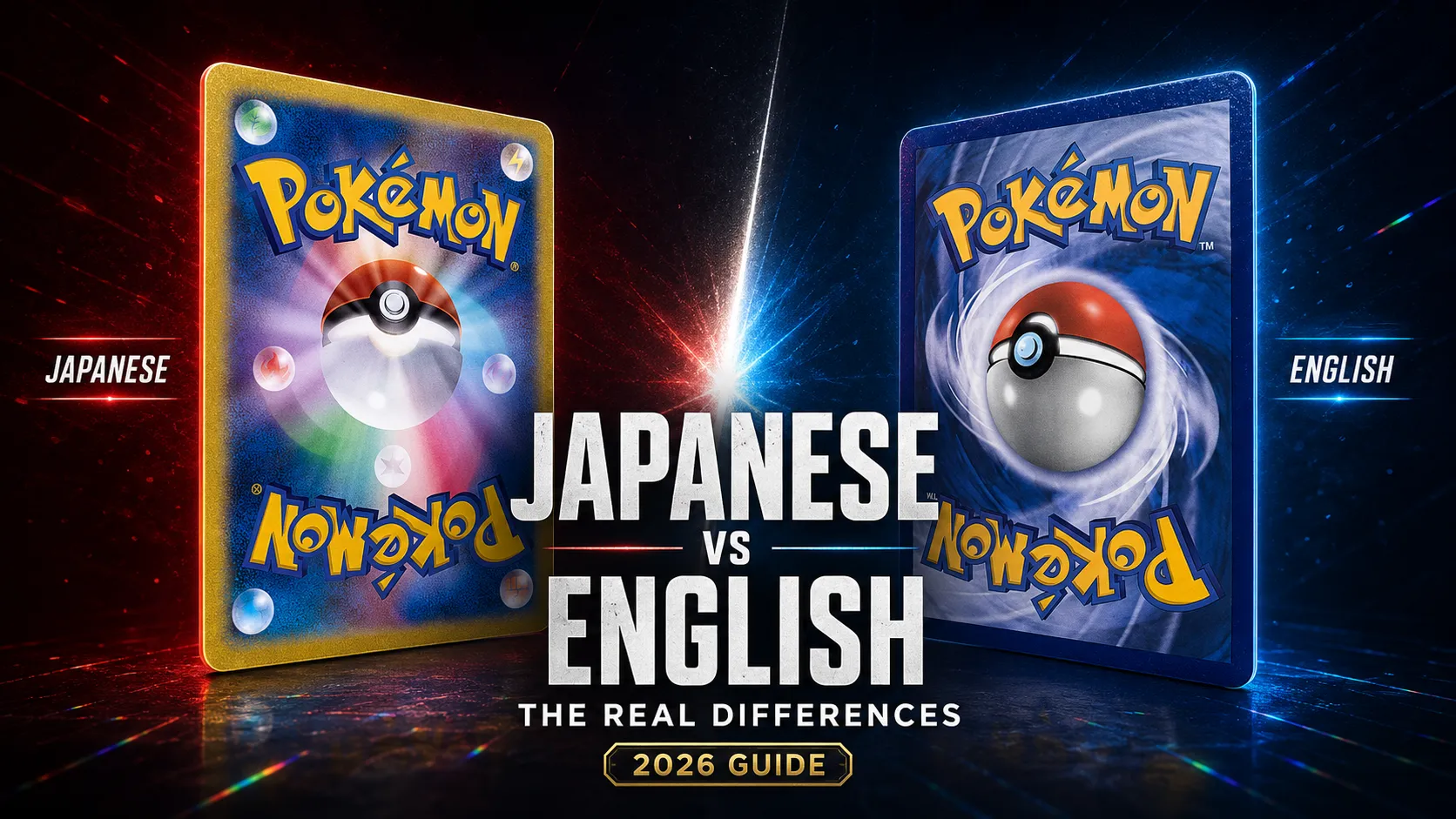
If the question is “how do I get all 30 Pikachu?”, the answer is the set. If you already have some from packs, the numbers above say to finish with the exact missing cards rather than more packs. For wider context on how Japanese and English cards differ, see Japanese vs English Pokémon cards.
All 30 Japanese 30th Celebration Pikachu
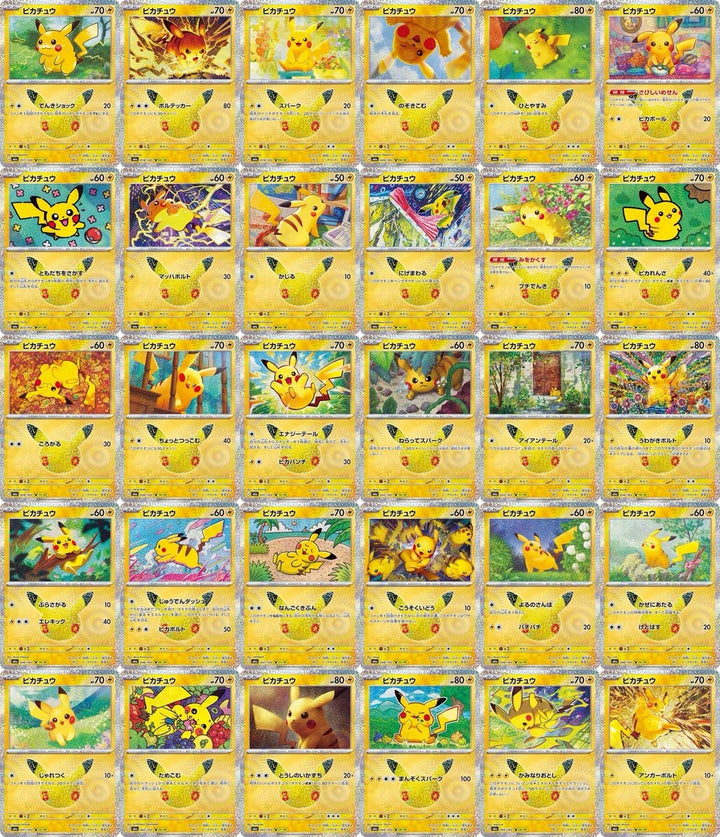
Numbers 017–046, listed as Near Mint, shipped from Japan.
Current price and stock are on the product page. Ordering from Australia? See our shipping and customs guide.
FAQ
How many packs does it take to get all 30 Pikachu in 30th Celebration?
About 4.2 boxes on average, or roughly 84 packs, if each 20-pack box holds 20 different Pikachu with no repeats inside the box, the 20 chosen at random and each box independent of the others. That model fits what collectors have reported. Under it, half of collectors would finish within 4 boxes and 90% within 6, and about 1 in 3 would still be missing at least one after 4 boxes. It is a model, not an official figure: The Pokémon Company does not publish how the Pikachu are distributed across packs or boxes, and the 20-pack box size is widely reported rather than confirmed on the official page, so no box or pack count is guaranteed.
I am only missing a few Pikachu. How many more boxes will it take to finish?
More than the number you are missing suggests, because every new box repeats most of the Pikachu you already have. If each box holds 20 different Pikachu out of the 30, any one missing Pikachu has a 2 in 3 chance of being in the next box and a 1 in 3 chance of not being in it. The average extra boxes needed are about 1.5 for the last 1 Pikachu, 1.9 for the last 2, 2.2 for the last 3, 2.6 for the last 5 and 3.2 for the last 10. With 3 missing, the next box fills all of them only about 28% of the time, so it is worth looking for the specific missing numbers as singles or trades before opening another box.
Can you complete all 30 Pikachu with three boxes?
Sometimes, but not most of the time. If each box holds 20 different Pikachu with no repeats inside the box, three boxes (60 packs at the widely reported 20 packs per box) finish the set about 28% of the time (27.7%), and four boxes about 68%. That fits what collectors have posted on X: individuals have reported finishing with two, three, four and five boxes, and another reported 29 of 30 after three boxes. A fully random model, in which every pack is an independent draw, would give three boxes only a 0.6% chance, which fits those reports far less well. The box model is not an official statement, and collectors who finish are more likely to post about it than those who do not, so expect three boxes to fall short more often than not.
How many boxes would it take to collect two full sets of the 30 Pikachu?
About 6.5 boxes on average (6.54) under the same model of 20 different Pikachu per box, well under twice the 4.2 boxes for one set, because the repeats you get while chasing the first set start filling the second. Half of collectors would finish two sets within 6 boxes and 90% within 8, while 5 boxes would be enough only about 20% of the time. At ¥7,200 a box (20 packs at ¥360), the average is about ¥47,000 at Japanese retail.
Is it cheaper to buy the 30 Pikachu complete set or open packs?
If the 30 Pikachu are your only goal, the complete set is far cheaper. If each box holds 20 different Pikachu, the average of about 4.2 boxes (about 84 packs) costs about ¥30,382 at the Japanese retail price of ¥360 a pack, and about 1 in 3 collectors would still be incomplete after four boxes. At the time of writing (September 2026), our complete set cost a fraction of that; its price changes, so check the product page for today’s price. Packs do include five other cards each, but if the 30 Pikachu are your goal, most of the spend goes on duplicate Pikachu.
Does every Japanese 30th Celebration pack contain a Pikachu? Can you get duplicates?
Yes. Each ¥360 Japanese pack has six cards, one of which is one of the 30 Pikachu illustrations. Collector reports suggest a 20-pack box rarely repeats a Pikachu, but we found no official statement that boxes are packed to avoid repeats. Once you open a second box, duplicates are normal: a new box of 20 overlaps with the 20 you already have, by about 13 on average if each box holds 20 different Pikachu.
What are the card numbers of the 30 Japanese Pikachu?
In the Japanese set they are 017 to 046, thirty consecutive numbers. The two cards immediately after them, 047 and 048, are Pikachu ex and are not part of the 30. We have not been able to confirm whether the English release uses the same numbers, so check the English checklist separately if you collect in English.
How can I tell which of the 30 Pikachu I have?
Check the collector number printed on the card. The 30 Pikachu in the Japanese set are numbered 017 to 046, so a Pikachu with a number in that range is one of the 30, while 047 and 048 are Pikachu ex and are not. The list of all 30 in this guide shows each card with its 01/30 to 30/30 number and illustrator.
Who illustrated the 30th Celebration Pikachu cards?
Thirty different illustrators, one for each card. They include Ken Sugimori (01/30), James Turner (07/30), Shinji Kanda (18/30), Atsuko Nishida (25/30) and Kazuki Minami (30/30). The list of all 30 in this guide gives every illustrator with the card’s number.
Which of the 30 Pikachu is the rarest?
There is no official information showing that any of the 30 is printed in smaller numbers than the others. When collectors on social media trade for specific numbers, that shows which cards those individuals are missing, not a verified pull rate.
How much is a single 30th Celebration Pikachu card worth?
We do not publish single-card prices for the 30 Pikachu, and prices for a new release tend to move quickly in the first weeks. Because every pack contains one of the 30, they fill the guaranteed Pikachu slot rather than a rare slot, so they are not the set’s high-value chase cards; the Pikachu ex cards numbered 047 and 048 are separate from the 30. For a card you own, compare recent sold listings for the same number, language and condition, and see our PSA grading guide before paying to grade one.
Are the Japanese and English 30th Celebration Pikachu the same?
Do not assume they are identical. Language, numbering, finish and product contents can all differ between regions, and we have not verified the English checklist. Decide which language you want to keep and collect all 30 in that one language. Our Japanese vs English guide explains the general differences between the two printings.
Is the 30 Pikachu complete set worth buying, and will it go up in value?
It is worth buying if you want all 30 designs together to display or keep, because a set skips the run of repeat boxes that the last few designs usually take. We do not forecast prices, and we would not recommend buying this set as an investment.
Should I grade my 30th Celebration Pikachu cards?
We have no grading data for these cards yet. Whether grading makes sense depends on the grading fee compared with the value of the individual card. Our PSA grading guide explains how to weigh the two.
What is the best way to store or display a complete set of 30 Pikachu?
Sleeve each card first, then either keep the set in a binder with side-loading pages or mount it in a frame that holds the cards in sleeves or top loaders, away from direct sunlight and damp. Many collectors on X have posted their 30 Pikachu framed together. If you might grade any of them later, handle them as little as possible and avoid anything that presses on the card surface.
Where can I buy the Japanese 30th Celebration Pikachu complete set?
JariseStore sells the Japanese 30 Pikachu complete set (numbers 017 to 046, listed as Near Mint), shipped from Japan. Check the product page for the current price and stock. If you are ordering from Australia, our shipping and customs guide explains what to expect on import.
Can I get the Japanese 30 Pikachu set shipped outside Japan, and will I pay import tax?
Yes. JariseStore ships from Japan to international buyers, and the store shows prices in your currency. Whether you pay import tax or GST depends on your country and the order value; for Australia, our shipping and customs guide explains the GST rules and what to expect at delivery.
What other Japanese 30th Celebration products include Pikachu?
Every Japanese expansion pack contains one of the 30 Pikachu, so any product that includes 30th Celebration packs adds to the collection. The nine regional Card Sets due in Japan on October 16, 2026 (¥1,200 each) include two expansion packs each, according to the official Card Sets page as cited in our 30th Celebration guide (reviewed September 24, 2026). Our 30th Celebration guide compares the full product range.
Methodology & data sources
Pack contents and price. ¥360 per pack, six cards per pack, one of the 30 Pikachu per pack: the official Japanese expansion page [1], as cited in our 30th Celebration guide, reviewed September 24, 2026. The Pikachu numbers 017–046 (and 047–048 being Pikachu ex) are from the same official Japanese gallery. The 20-pack, ¥7,200 box is widely reported (search results and collector posts retrieved September 24, 2026) and arithmetically consistent with ¥360 × 20, but we could not verify it against the official page directly, so we use it as the box size in our model while treating it as unconfirmed. The nine Card Sets due October 16, 2026 at ¥1,200 each, with two expansion packs each, are from the official Card Sets page [2], as cited in the same guide, reviewed September 24, 2026.
Box-count model. We assume each 20-pack box contains 20 of the 30 Pikachu, one of each (no repeats inside a box), with the 20 chosen at random and each box independent of the others. Completion probabilities by number of boxes are exact (inclusion–exclusion over the 30 designs); the average of 4.22 boxes and the further boxes needed with k still missing are exact expectations of a Markov chain on the number of designs still missing; the two-set figures (average 6.54 boxes, median 6, 90% within 8) come from dynamic programming on how many designs you hold zero or one copy of. All were calculated on September 24, 2026. This is our model, not an official specification. We use it because collector reports on X (retrieved September 24, 2026) fit it — 20 different Pikachu from one box, completions after two to five boxes, 29 of 30 after three — whereas a fully random model (each pack an independent, equally likely draw from the 30; average 30 × (1 + 1/2 + … + 1/30) = 119.85 packs, median 113, 90% within 168) gives three boxes’ worth of packs only a 0.6% chance and four boxes’ worth about 10%. We quote the random model only as a rough guide for loose packs. The Pokémon Company does not state how the Pikachu are distributed, and we found no official statement about box collation. If boxes are not packed this way, the real numbers would be higher; unequal odds between designs would raise them further.
Store prices and behaviour. JariseStore store analytics (GA4), retrieved September 24, 2026. Views, add-to-cart and orders cover September 16–23, 2026; orders are distinct transactions. Add-to-cart counts were re-queried on September 24, 2026 during fact-checking, and same-day analytics can still update slightly. Our own store prices are not quoted in this article because they change with stock and exchange rates; the store shows each visitor the current price in their currency. No customer-identifying data is used.
Collector reports. Posts on X, retrieved September 24, 2026 (the two-box and 11-pack reports were first cited in our 30th Celebration guide). Box and pack counts are as the collectors reported them. They are individual, self-reported and unverified, and are included as examples only — never as rates. We did not use posts by shops or buyback stores.
About JariseStore
We are an independent shop in Japan selling Japanese Pokémon cards to collectors overseas. Every product is checked before it is listed, and because we sell the cards ourselves we can see what collectors actually choose — which is where this guide’s store data comes from. You can follow what we list day to day on Instagram at @jarisestore.
Prices and trends shown reflect data available as of September 24, 2026 and can change quickly in the trading card market. This article is for informational purposes only and is not investment advice. Pokémon and all card names are trademarks of their respective owners; JariseStore is an independent reseller and is not affiliated with The Pokémon Company.